Jan 31, 2026
10 min read
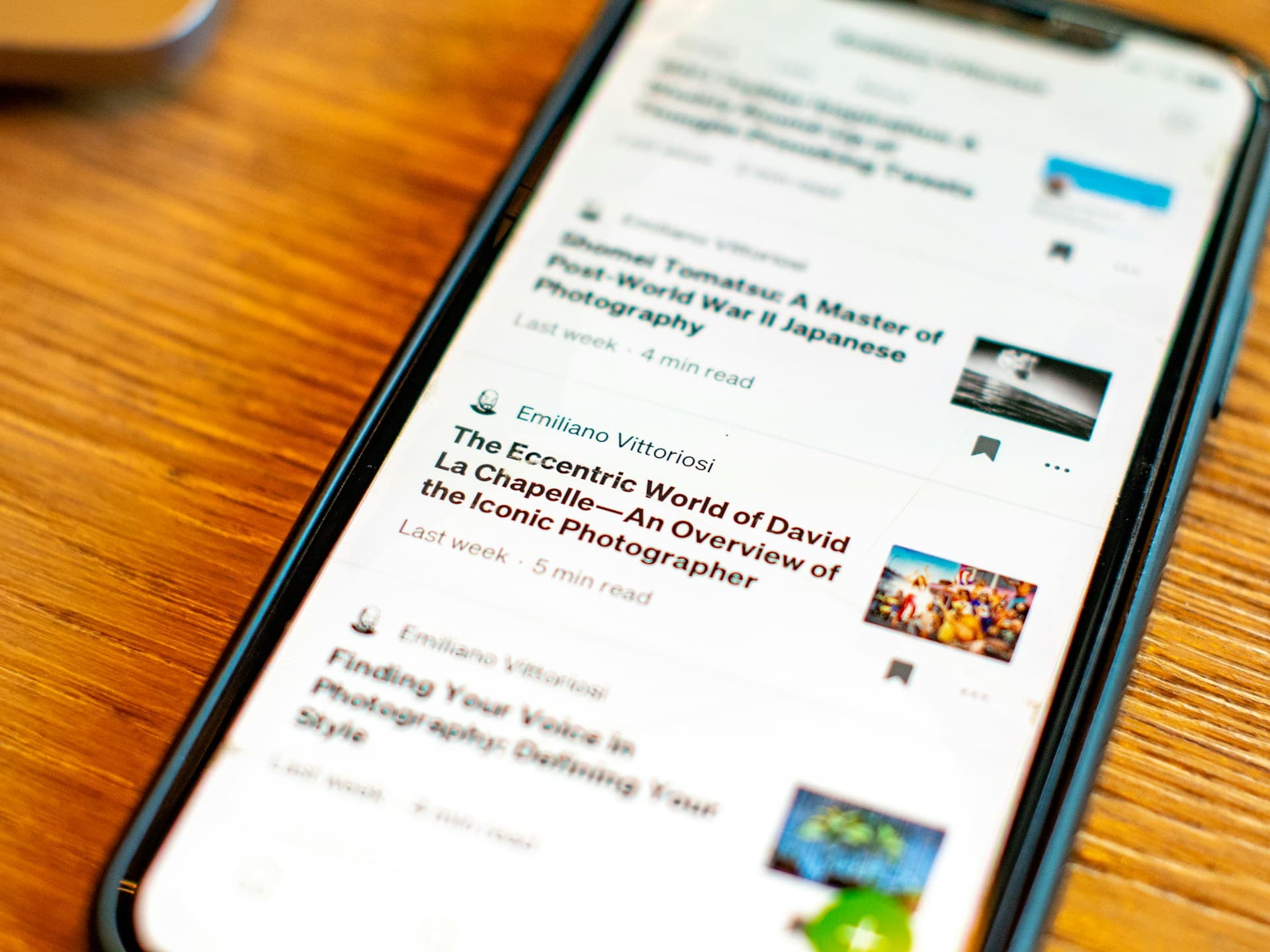
News has never been more available, and it has never been harder to follow well. Most of us now pick up information in fragments: a headline here, a clip there, a thread that turns into twenty minutes of scrolling. Social platforms have become a dominant force in how people spend media time, and the experience is optimized for speed and volume, not understanding.
That is one reason newsletters have had a quiet comeback. They fit how people actually want to learn in 2026: clear writing, a consistent voice, and a format that helps you stay informed without being dragged into the feed. A recent Reuters report described a "newsletter boom" driven in part by audiences looking for more direct, high-trust ways to follow information outside the noise. And while newsletters are not the main way most people get news, they have carved out a meaningful role as a calmer, more intentional channel compared to social feeds.
The best part is not "more content." It's better structure. A strong newsletter does the work your brain is tired of doing: it filters, prioritizes, connects the dots, and gives you a coherent view of what matters. It also makes learning practical. Books and long reports are valuable, but they are not always the fastest path to staying current in fast-moving fields like AI, markets, or geopolitics. Newsletters often sit closer to the day-to-day reality, which means you get frameworks plus what is actually happening right now.
There is also a simple behavioral benefit. Reading a newsletter is a closed loop. You open it, you read it, you finish it. No infinite scroll. No algorithm trying to extend the session. That difference matters if you want to reduce attention fatigue and feel more in control of your information diet.
This is exactly why Bilig exists. Bilig is a newsletter reading app designed to give newsletters their own home, away from inbox clutter and away from the feed. If you want a practical system for turning newsletters into a daily habit, our guide on how to turn newsletters into a source of daily growth is the best place to start. And if you want curated starting points, you can also explore our lists of productivity newsletters and wellness newsletters.
In this post, we'll break down five benefits of reading newsletters that show up fast in real life: more structure in how you follow the world, faster depth in specific topics, more practical knowledge, a calmer information experience, and easier discovery of new ideas.
Most people do not read the news in one focused session. They check a site, get pulled into work, come back later, skim again, then forget what they already saw. It becomes fragmented. A good current affairs newsletter fixes that because it gives you a packaged agenda. You see the key stories in one place, in a deliberate order, with enough context to understand what matters. The best ones also connect dots across stories so you are not just collecting headlines, you are building a coherent picture of what is happening.
If you want to get up to speed in a topic like AI, markets, health, or geopolitics, newsletters are one of the fastest routes. After a few weeks of reading a small set of high-quality newsletters, you start to recognize the recurring themes: what the real debates are, which developments are signal versus noise, who the key players are, and what the next inflection points might be. That is because newsletters repeat the important ideas over time, and repetition is how knowledge sticks. You are not learning once, you are building familiarity through consistent exposure.
Books, explainers, and deep technical pieces are great for theory, but they often lag what is happening in the real world. Newsletters sit closer to the front line. They cover how companies are shipping, what products are changing, which regulations are coming, how the market is reacting, and what practitioners are doing right now. That makes newsletters a strong source of practical knowledge. You learn how a field behaves in reality, not just how it works in principle. Over time, that practical layer is what helps you make better decisions, spot opportunities earlier, and avoid being fooled by hype.
Social media is designed to intensify emotion and stretch your time. Even when the information is correct, the framing is often extreme because extreme gets attention. Newsletters are usually written with a different incentive. They are built to be read, understood, and trusted, so they tend to use clearer language, better structure, and more nuance. That makes them a calmer way to stay informed, especially when topics are heated. You can still follow big, controversial issues, but you are more likely to come away with context and perspective rather than anxiety and noise.
One of the best parts of newsletters is that they make it easy to explore new domains. When you find one good writer, they often link to others, and your curiosity grows from there. A platform like Bilig makes this even simpler because discovery is part of the product. Instead of relying on algorithms to throw random content at you, you can intentionally browse newsletters by topic, find high-quality writers in areas you know nothing about yet, and build a reading list that expands your perspective over time. That is how reading turns into a compounding system, not just a habit.

A good newsletter is an editor in your pocket. Instead of you scanning ten sources and trying to decide what matters, the writer does that work for you. The best newsletters don't just collect links, they filter the noise, group related stories, and explain why something matters. This is especially useful in fast-moving areas where the volume of updates is endless. You spend less time searching and more time actually understanding.
Newsletters tend to have a clear voice. That is a strength. When one person or a small team makes an argument, you can follow the reasoning from start to finish and decide whether you agree. Over time, you get better at evaluating ideas, not just consuming them. You start to notice weak logic, missing context, and recycled talking points. You also become more confident in your own stance because your opinions are built through repeated exposure to strong arguments, not one viral post.
Social feeds reset constantly. A topic trends, disappears, then returns with no memory of what came before. Newsletters build continuity. If you read the same writer for months, you don't just get updates, you get a running narrative. You see themes repeat, predictions play out, and assumptions get tested by reality. That long-term thread is how you move from being informed to being genuinely knowledgeable. You stop reacting and start understanding how a story evolves over time.
If you read high-quality newsletters consistently, your own communication improves. You absorb good structure without trying. You see how strong writers explain complex issues simply, how they lead with the key point, how they use examples, and how they keep a reader's attention without resorting to drama. That transfers directly into work. Your emails get clearer, your presentations get tighter, and your thinking becomes easier to express because you've been practicing clarity by reading it.
Newsletters become much more valuable when you treat them as a resource, not just a stream. If you save issues, highlight key lines, and add short notes, you build a personal library of insights. That helps in real moments: when you need a quote for a presentation, a framework for a decision, or a reference to something you read three months ago. Over time, this becomes a practical advantage. You are not starting from zero each time, you're building a searchable collection of ideas that compounds as you keep reading.
Newsletters are having a resurgent moment for a reason. In an age shaped by doomscrolling and "brain rot," they offer something digital media rarely does: a contained experience, a clear point of view, and a format built for understanding rather than endless consumption. They help you stay informed without getting pulled into the feed, and they turn information into insight by adding structure, context, and continuity.
It's also hard to imagine this trend reversing. As the world gets noisier and more confusing, people will keep looking for writers who can explain what matters in plain language and with a voice that feels trustworthy. Publishers and authors who consistently deliver clarity, originality, and signal will continue to grow, because they solve a real problem: helping readers make sense of the world without losing their time, attention, or sanity in the process.