May 18, 2026
10 min read
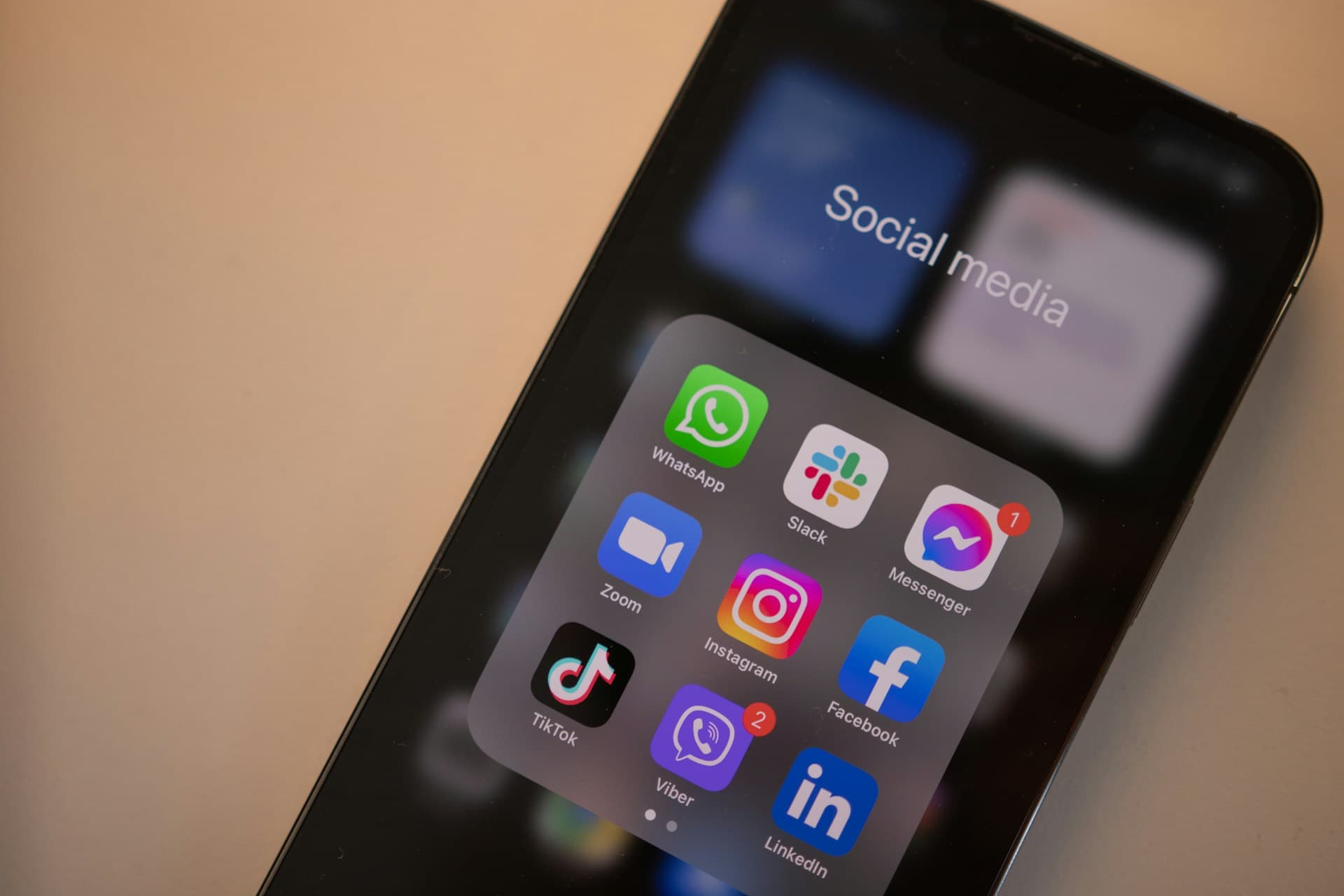
The creator economy has grown up.
What used to look like a niche world of influencers, YouTubers, bloggers, and independent writers has become one of the most important forces in media, marketing, entertainment, and technology. Creators now launch companies, build paid communities, shape consumer behaviour, move culture, influence politics, and compete directly with traditional media brands for attention.
That makes the space exciting. It also makes it hard to follow.
The creator economy is not one industry. It is a collision of several: social platforms, newsletters, podcasts, video, advertising, subscriptions, creator tools, AI, media companies, entertainment, and venture-backed startups. If you only follow platform updates, you miss the business model. If you only follow media analysis, you miss what creators are actually doing on the ground. If you only follow marketing newsletters, you miss the cultural shift underneath it all.
The right newsletter stack helps you see the whole picture.
These 10 newsletters are worth following if you want to understand how creators, platforms, media companies, and audiences are changing in 2026.
Publisher: Social Media Today
Publishing Frequency: N/A
Available on Bilig? Yes
Social Media Today is a strong start because the creator economy depends heavily on platform behaviour. It covers the latest news, trends, updates, and analysis across the social media landscape, helping readers understand how major platforms are changing and what those changes mean for content strategy.
For creators, marketers, and media operators, this kind of platform awareness is essential. A small change to discovery, analytics, monetisation, short-form video, or paid reach can affect how audiences are built and maintained. Social Media Today helps readers keep track of those shifts without having to monitor every platform directly.
It is broader than a pure creator economy newsletter, but that is part of its value. The creator economy is not just about individual creators; it is also about the systems they build on. Social Media Today gives readers a practical view of those systems and the trends shaping how creators reach people online.
Publisher: The Future Party
Publishing Frequency: Daily
Available on Bilig? Yes
The Future Party sits at the intersection of entertainment, business, technology, and culture. That makes it a strong daily read for understanding the broader world creators operate in.
The creator economy is not just about individual creators. It is also about how entertainment companies, brands, startups, and media platforms respond to changing audience behaviour. The Future Party is useful because it follows that wider ecosystem. It helps you spot where culture is moving before it becomes obvious.
This is a good newsletter for readers who want the creator economy in context: not only what creators are doing, but how creators fit into larger shifts across entertainment, consumer behaviour, media, and technology.
Publisher: Matt McGarry / GrowLetter
Publishing Frequency: Weekly
Available on Bilig? Yes
Newsletter Operator is for people who care about the creator economy from the builder side.
It focuses on how to grow, scale, and monetise newsletters, with practical advice for creators and media operators. That makes it especially relevant for writers, founders, newsletter teams, and independent publishers who want to turn an audience into a sustainable media asset.
The creator economy can sometimes be discussed in vague terms: audience, community, authenticity, influence. Newsletter Operator is useful because it gets closer to the operating system. How do you grow subscribers? How do you improve retention? What actually works in newsletter monetisation? How do you think about acquisition, referral loops, sponsorships, and paid products?
If Creator Economy by Kaya Yurieff gives you the industry view, Newsletter Operator gives you the operator view.
Publisher: Jack Appleby
Publishing Frequency: Ad-hoc
Available on Bilig? Yes
Future Social is one of the most practical reads on the list. It breaks down what is working on social media right now and explains why.
That is useful because creators live and die by distribution. A great idea is not enough if nobody sees it. Platform mechanics, formats, hooks, timing, visual language, and audience behaviour all shape whether content travels. Future Social helps readers understand those patterns without turning the whole thing into vague "growth hacking".
It is especially useful for marketers, creators, and founders who want to understand what successful posts and campaigns have in common. The creator economy is partly about talent and originality, but it is also about learning how platforms reward attention. Future Social is good at explaining that layer.
Publisher: Casey Newton
Publishing Frequency: Not specified
Available on Bilig? Yes
Platformer covers the intersection of technology, media, politics, and platform power. For anyone trying to understand the creator economy, that platform layer is essential.
Creators build on rented land. YouTube, TikTok, Instagram, X, Substack, Spotify, and other platforms can change incentives overnight. A tweak to an algorithm, a new monetisation rule, a moderation controversy, or a shift in leadership can affect thousands of creators and media businesses at once.
Platformer is valuable because it explains the companies and decisions behind those changes. It is not a narrow creator newsletter, but it is one of the best ways to understand the systems creators depend on.
If you want to follow the creator economy properly, you need to understand platform risk. Platformer helps with that.
Publisher: Rex Woodbury
Publishing Frequency: Not specified
Available on Bilig? Yes
Digital Native explores how technology shapes culture, consumer behaviour, communities, and the internet. That makes it a strong strategic read for understanding why the creator economy keeps evolving.
The creator economy is often described through platforms and monetisation. But underneath that is a deeper cultural shift: people increasingly trust individuals, communities, and niche voices more than traditional institutions. Digital Native is useful because it looks at those behavioural and cultural patterns.
It is a good newsletter for readers who want to understand not just what is happening, but why people are moving toward new forms of online identity, community, taste, and influence.
This is the kind of read that helps you connect the dots between consumer startups, internet culture, social behaviour, and the business of attention.
Publisher: Semafor
Publishing Frequency: Weekly
Available on Bilig? Yes
Media with Ben Smith takes readers behind the curtain of the media industry. That makes it a useful addition to a creator economy stack because the line between creators and media companies keeps getting thinner.
Independent creators now behave like media companies. Media companies are trying to behave more like creators. Journalists build personal brands. Newsrooms launch newsletters. Creators hire editors, producers, sales teams, and operators. The old distinction between "the media" and "the creator economy" is not as clean as it used to be.
Media with Ben Smith helps readers understand that shift. It looks at influence, storytelling, newsroom strategy, and the changing business of attention.
For anyone interested in creator-led media, this is a strong weekly read.
Publisher: Matt Navarra
Publishing Frequency: Weekly
Available on Bilig? Yes
Geekout is a weekly newsletter focused on social media updates, platform changes, feature rollouts, and digital media trends.
That makes it useful for the tactical side of creator work. Creators and social teams need to know when platforms launch new formats, change analytics, adjust monetisation, or test new discovery features. These changes can look small from the outside, but they often affect how content is made and distributed.
Geekout is especially useful because it keeps track of the platform update cycle. You do not need to check every app, announcement, and social media news account yourself. It gives you a cleaner way to stay current.
For creators, marketers, and media operators, that kind of platform awareness is not optional anymore.
Publisher: Bloomberg
Publishing Frequency: Weekly
Available on Bilig? Yes
Screentime looks at the media and entertainment business, from streaming and Hollywood to platforms and the economics of attention.
It belongs in this list because the creator economy is increasingly part of the entertainment economy. Creators compete with studios for audience time. Platforms compete with streaming services. Influencers become producers, actors, founders, investors, and media brands. Entertainment companies now study creator behaviour because creators often move faster than traditional media.
Screentime gives readers a broader view of how attention is being packaged, monetised, and fought over. It is not only about individual creators, but that is precisely why it is useful. It helps you understand the business landscape creators are entering.
Publisher: CNN
Publishing Frequency: Ad-hoc
Available on Bilig? Yes
Reliable Sources examines the media landscape and information economy. For a creator economy stack, it adds an important trust and media-criticism layer.
The creator economy is not just a growth story. It raises serious questions about credibility, influence, audience trust, and how people decide who to believe. As more individuals become publishers in their own right, the old systems of authority are changing. That creates opportunity, but it also creates confusion.
Reliable Sources helps readers think about how news is produced, consumed, and debated in modern media. That perspective is useful for anyone trying to understand creator-led publishing, independent media, and the wider information environment.
It is a good final piece in the stack because it reminds readers that attention is not the only metric that matters. Trust matters too.
The creator economy in 2026 is bigger than influencer culture. It is now part of media, marketing, technology, entertainment, and business strategy.
If you want to understand it, you need more than viral clips and platform gossip. You need reporting, analysis, operator insight, cultural context, and a practical sense of how distribution works.
These 10 newsletters give you that range. Start with a few, read them consistently, and pay attention to the patterns. The creator economy moves quickly, but the underlying questions are steady: who owns the audience, who controls distribution, who earns trust, and who captures value.