Jan 24, 2026
8 min read
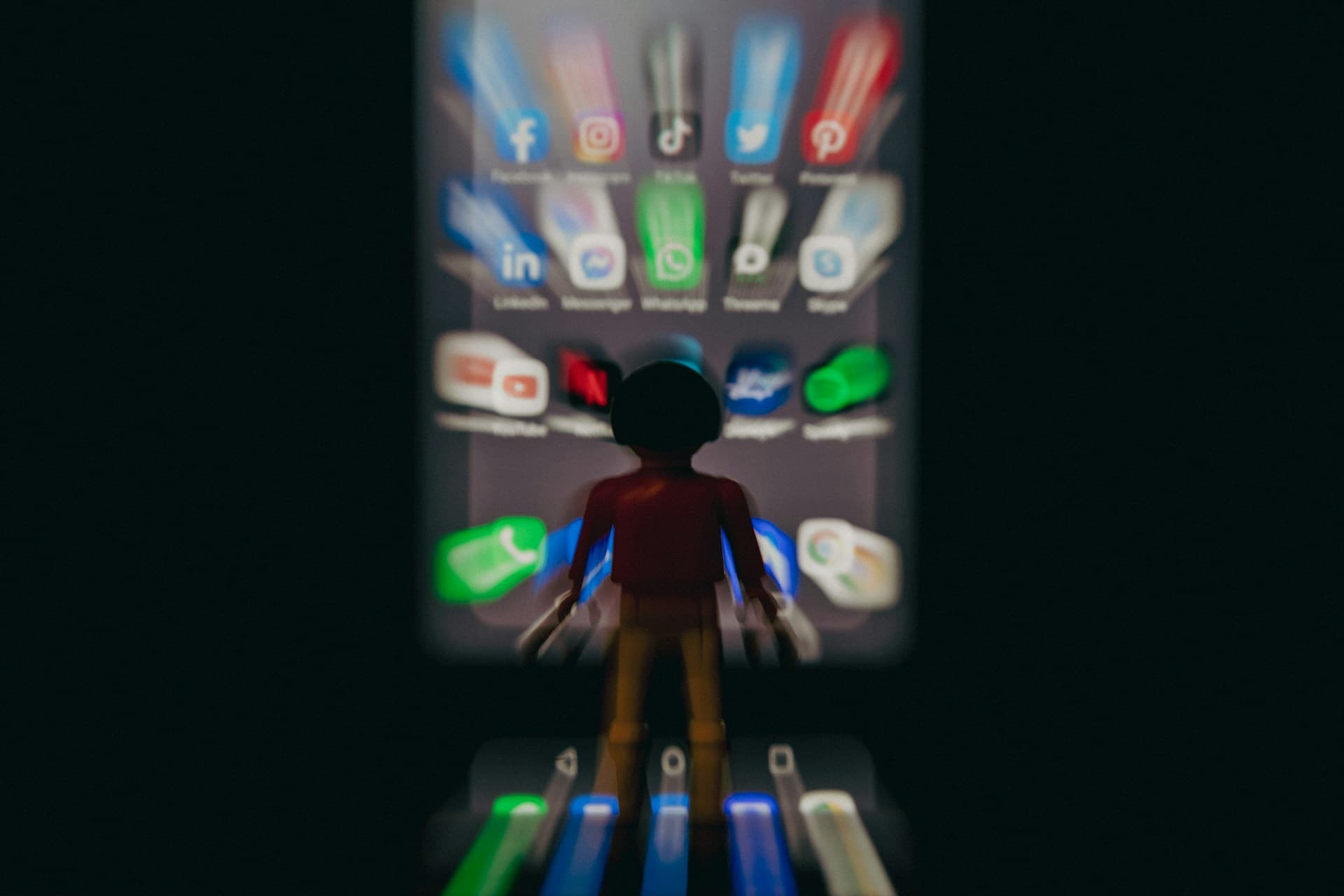
"Brain rot" is not just a meme anymore. Oxford named it Word of the Year in 2024 and defines it as the perceived deterioration of someone's mental or intellectual state, often linked to overconsuming trivial online content. That's the perfect description of what happens when your default entertainment becomes endless short-form scrolling.
Doomscrolling is the other half of the problem. Merriam-Webster defines "doomscroll" as spending excessive time online scrolling through content that makes you feel sad, anxious, or angry. It is not just "too much screen time." It's a loop: you open an app for a quick check, the feed serves emotionally charged content, and you stay longer than you planned.
The modern internet is optimized for frictionless consumption. TikTok, Instagram, and algorithmic feeds are built to keep attention inside the scroll. Short-form content is not automatically bad, but it is designed for speed, novelty, and volume. That combination makes it harder to focus, harder to retain information, and harder to feel satisfied after you log off.
Reading is the cleanest counter-move. Long-form writing forces your brain into a different mode: slower pace, deeper context, clearer arguments, and real learning. You do not need to quit social media to benefit. You just need a better default.
This is where newsletters win. The newsletter ecosystem has grown because it matches what people want right now: direct access to writers, high-signal commentary, and content that respects the reader's time.
The newsletter ecosystem is clearly growing. More writers are choosing newsletters as their primary channel, more readers are subscribing to independent voices, and more high-quality commentary is being published directly to inboxes instead of being filtered through algorithms.
The takeaway is simple: written content is having a comeback, especially when it comes from creators who go deeper than the average feed and focus on clarity, context, and original thinking.
But there's still one problem. Most people subscribe, then never read. Newsletters land in inbox chaos, get buried under work email, and become another guilt pile.
Bilig fixes that. Bilig is a newsletter reading app that gives newsletters their own home, so you can read intentionally instead of reactively.
If you want a structured way to turn newsletters into a daily learning habit, start here: How to Turn Newsletters into a Source of Daily Growth (The Bilig Way).
If your attention struggle shows up as constant busy-ness, our list of productivity newsletters pairs well with this approach. And if your "doomscroll" trigger is health anxiety and noise, this roundup helps you swap panic for clarity: Your Wellness Inbox.
In this post, we'll share practical tips to reduce doomscrolling, rebuild your attention span, and replace low-value scrolling with intentional reading that actually improves how you think.
If reading is something you do "when you have time," it will get pushed out by everything else. Give it a fixed slot. Keep it small and repeatable, like 10 to 20 minutes, and attach it to an existing routine such as morning coffee, your commute, lunch, or the wind-down before bed. The key is to make it a default. Read first, then scroll later. Consistency matters more than volume, so one newsletter a day, fully read, beats saving ten and never opening them.
If you read the same voices forever, your thinking gets narrow. Discovery keeps your inputs fresh and prevents you from getting trapped in one worldview. Set a simple cadence, like trying one new newsletter each week or two per month. Treat it like a trial. Subscribe, read three issues, then decide whether it earns a permanent spot. Rotate categories too. Mix tech with markets, current affairs, health, productivity, and culture so your reading does not become repetitive.
Reading without capture turns into forgetting. If you want written content to improve how you think, you need to save what matters. Highlight only lines you genuinely want to keep, not whole paragraphs. Then add one short note after each read: the main idea in one sentence, plus one sentence on how you might use it. This turns reading into a system that compounds. Over time, your highlights become a personal library of ideas you can reuse for decisions, work, and conversations.
Sharing turns reading into a social habit and forces you to understand what you read. If you can explain an idea simply, you actually absorbed it. Send one insight to one person each week. Keep it short: a key takeaway, a quote, or a question. Tailor it to the person's interests so it feels relevant rather than random. This simple practice makes reading feel more alive because ideas move from your screen into real discussion.
You do not need to convince everyone to become a reader. You just need a few people around you to treat good writing as normal. Start a small ritual, like a weekly "best thing I read" message in a group chat, or a monthly catch-up where everyone brings one idea. Ask people what they read and who they follow. When a few people do this together, discovery becomes easier, consistency becomes easier, and everyone gets better inputs without spending more time searching.
If you want reading to win against scrolling, it needs to be easy to start. Most doomscrolling begins with a moment of boredom and a single tap. Your reading habit should be just as accessible. Bookmark the places you actually want to spend time, like Bilig, and put them where you will see them. On your laptop, pin the tab or add it to your bookmark bar. On your phone, add it to your home screen like an app. The goal is simple: when you reach for your device, you should have a clear "good default" that is one tap away.
Reading is useful, but reflection is where it turns into learning. Without it, you consume information and move on, which feels productive but rarely changes anything. A simple journal habit fixes this. Once or twice a week, write a short note on what you learned, what surprised you, and what you disagree with. Pull out one idea you want to remember and one idea you want to test. This does not need to be long. A few sentences is enough. The point is to build a feedback loop where reading shapes your thinking, not just your awareness.
Most people fail when they try to quit apps through pure willpower. Restriction feels like deprivation, and you end up rebounding. A replacement rule is more practical. It means that when you feel the urge to open a short-form app, you open something better first. For example: "Before I scroll, I read one newsletter issue or one saved article." You are not banning anything. You are changing the order. This works because it reduces the number of automatic openings, and it trains your brain to associate boredom with reading rather than scrolling.
Doomscrolling is often accidental. You open an app without thinking, then time disappears. Friction breaks that loop. The easiest version is to move short-form apps off your home screen and into a folder, or remove them entirely and access them only through a browser. Logging out also helps because it adds a small pause that forces a choice. Some people set time limits, but the bigger win is reducing "reflex opens." You want every session to be intentional, not a habit you fall into.
Notifications are attention hijacks. Even when you do not open them, they pull your mind out of what you were doing and push you toward the feed. If you want to read more, you need fewer interruptions. Turn off social notifications completely, and keep only what is genuinely useful, like calls, messages from close people, calendar alerts, and essential work updates. This is not about becoming unreachable. It's about protecting your mental space so focus becomes normal again, not a rare event.